

In April 2024, the Dicastery for the Doctrine of the Faith published a new declaration, Dignitas Infinita, on Human Dignity. Its opening paragraph reaffirms the Christian belief in the dignity of human life.
In the UK, Human Rights are protected by law and the Equality Act of 2010 brought together a list of nine Protected Characteristics, recognising that they represent areas in society where there is still significant prejudice and discrimination.
Dignitas Infinita serves as a timely reminder that:
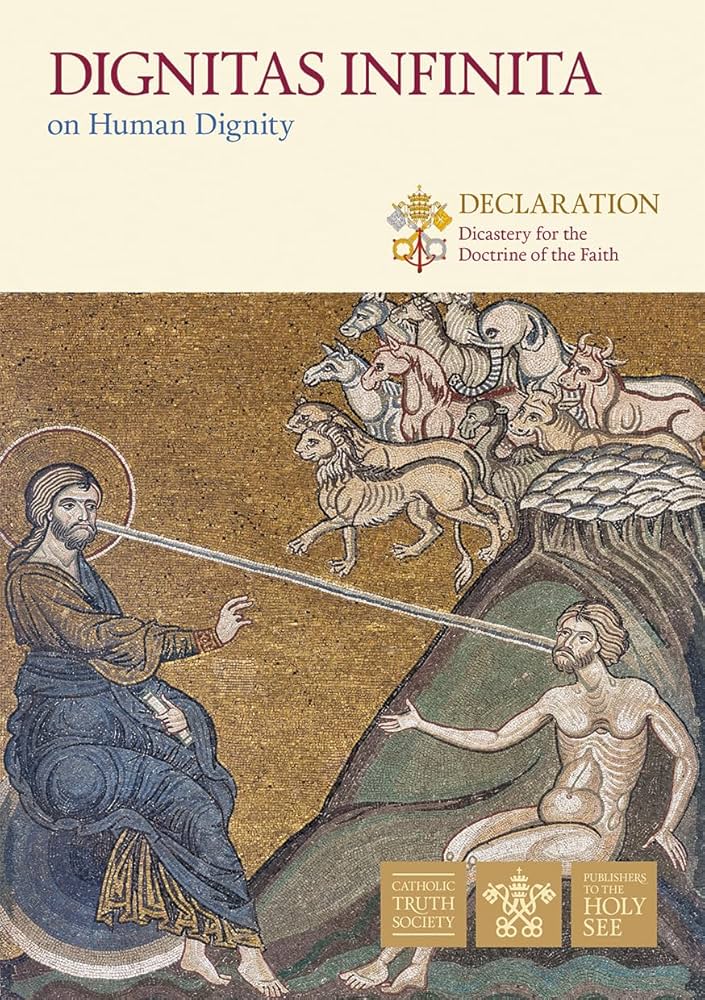
This document aims to clarify what the Church means when she speaks about human dignity and highlights many misunderstandings that exist in our society. For example, some people suggest that a person only has dignity if they are capable of reasoning, and that our dignity and rights come from our capacity for knowledge and ability to exercise freedom of choice. Dignitas Infinita reminds us that not everyone may have these things but they still have human dignity because it is ‘intrinsic, [it] remains in all circumstances’ (DI, 24).
For Catholic education, the dignity of each person is a core value, not only found in many mission statements and policies but in the day-to-day practices of teachers across the country. We recognise that our value, and the consequential respect we must have for each other, is a gift from God. Each one of us is a person, uniquely created, chosen and loved by Him. Each one of us is worthy of not just being respected but also of being protected from unjust discrimination.
This also fits clearly with Ofsted’s guidance that:
The final section of Dignitas Infinita addresses violations of Human Dignity, including several that relate to Relationships, Health and Sex Education. The Dicastery notes that the issues addressed are not an exhaustive list but they aim to ‘draw attention to some grave violations of human dignity that are particularly relevant.’ (DI 35) and includes several topics addressed within Life to the Full Secondary, such as Abortion and Abuse.
The declaration also considers Gender Theory. Beginning by reaffirming the dignity of every person and condemning unjust discrimination they go on to express concerns about the inconsistencies found with Gender Theory. For Catholics, our identity is not something we create ourselves but a gift from God. Dignitas Infinita reminds us that the difference between sexes is a beautiful and powerful part of God’s creation, making it possible to create new life and affirms the Catholic belief that our biological sex and our gender cannot be separated.
Protected Characteristics and Life to the Full
One of our core values here at Ten Ten Resources is:
It is with this in mind that we have addressed the protected characteristics, within the design of all of our Life to the Full programmes, endeavouring to produce an inclusive programme that affirms the dignity of each individual. Our focus has been to present and explain legal rights, underline the fundamental dignity and worth of the person, and call out all unjust discrimination. At the same time, in age-appropriate ways, the programme articulates and commends the teaching of the Catholic Church. As we know, this teaching runs counter to certain beliefs associated with the Protected Characteristics, particularly in the areas of gender identity, sexuality and the rights of the unborn.
We recognise the challenge of teaching about the Protected Characteristics within the context of a Catholic School. With this in mind, we have provided a guidance document on Protected Characteristics in the Programme Coordinators section of our website for each of our programmes. We have developed this information further in our upcoming CPD Session on Protected Characteristics and Life to the Full.
In creating all our resources, we try to think about who we are communicating with. Many of the pupils and students in our Catholic schools will not be Catholic. Many of those will not be from practising Catholic families. All will be in some way shaped and influenced by the broader culture.
Dignitas Infinita reminds us of our need for Christ, reminding us of how ‘our free will often prefers evil over good. Thus human freedom, in turn, needs to be freed. ‘ DI 29 echoing the words of St Paul ‘For freedom then, Christ has set us free’ (Galatians 5:1). The work of promoting human dignity is not an easy one and can seem impossibly big. But the declaration concludes with this encouragement:
Protected Characteristics and Life to the Full
Why not join us for a CPD session on the Protected Characteristics? This session will explore how they can be taught within the context of Catholic education and shows how they are covered within the Life to the Full programmes.
Related content:
Transitions
Life to the Full Plus includes a session on Transition for each phase, helping your pupils get ready for the new class or new school.
Read More
Programme Update for Secondary Schools (LTTF)
New Year 10 lessons and videos, and changes to the programme structure
Read More

Year 9 New Content
Over the past term, we have uploaded seven brand new Life to the Full sessions for Year 9.
Read More
The Heart of the Matter
What can Pope Francis’s encyclical Dilexis Nos teach us about Catholic RSE?
Read More
Statement from Ten Ten Resources
A recent negative assessment of our Life to the Full programme by the organisation Voice of the Family has prompted us to reflect again on our vision and mission.
Read More
Let’s Talk About Smartphones
It’s hard to miss the numerous news articles, social media posts, documentaries and books discussing the impact of smartphones on the lives of young people.
Read More
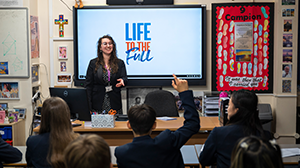
What’s new for 2024-2025 from Ten Ten Resources?
Read about the latest subscription news and updates
Read More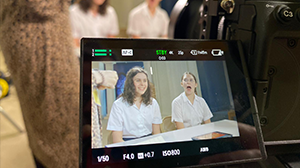


How stories change the world
This month we are exploring one of Ten Ten’s key principles - the belief that stories have the power to change hearts and minds.
Read More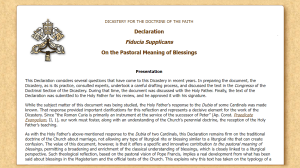
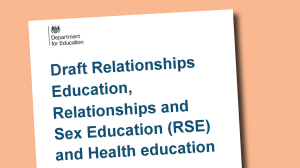
Gender Questioning Children in Schools and RSHE
Exploring the new draft Government guidance
Read More

Where to find resources that support safeguarding…
… in Life to the Full and Life to the Full Plus!
Read More
70 Classroom Shorts…and counting!
There are now over 70 Classroom Shorts uploaded on the website for our Life to the Full Plus subscribers!
Read More


7 Key Areas For Consideration in Life to the Full Primary
Read more about how we have expanded our Key Decisions across the Life to the Full programme
Read More
Why is pornography a problem?
On Thursday 19th October 2023 Ten Ten Resources will be live-streaming a discussion session for parents and carers of children in KS2 and KS3 on the subject of pornography. Commissioned by the Catholic Education Service, this session is available free of charge and will be live streamed at 9.15am, 3.30pm and 6.00pm. Here, Ten Ten’s CPD Leader Nicola Sweetman tells us why parents should be encouraged to discuss pornography with their children.
Read More
What’s new for Life to the Full Primary?
Keep track of the latest changes in Life to the Full/Plus
Read More
What’s new for Life to the Full Secondary?
Useful updates and reminders as you begin the new term
Read More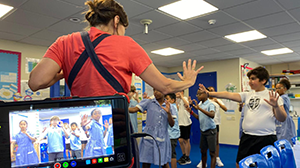
Subscription Packages and Loyalty Discounts for 2023/4
Discover how bundling your Life to the Full, CPD and Collective Worship subscriptions will give you amazing savings!
Read More
Life to the Full Plus – How it Fits
How our new add-on integrates with Life to the Full Primary?
Read More

An Interview with… Rod Isaacs
How to get the most out of Life to the Full for Post-16 pupils
Read More
Change in age for marriage and civil partnerships
What has changed in the law and how is it reflected in LTTF Secondary?
Read More
New content: ‘FGM’ and ‘Death and Grief’
Find out more about our new resources ‘FGM’ and ‘Death and Grief’ for Life to the Full, along with important guidance for SLT and class teachers…
Read More
“How many times do you need to be reminded?”
What is a spiral curriculum and how can the Life to the Full programme be considered one?
Read More

CPD – Watch again
Did you know that we now have a ‘watch again’ function for our CPD sessions?
Read More
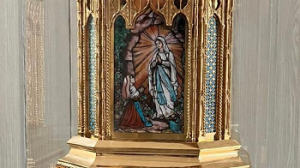
A rubbish dump, a beautiful lady and some old bones…
What do these three things have in common?
Read More
Life to the Full Primary: Is it PSHE?
We are often asked: “Does ‘Life to the Full’ cover the national curriculum for PSHE?” This is a question which doesn’t have a simple yes/no answer!
Read More
Is Your School In Wales?
If the answer is ‘yes’, then you may be interested to learn how we are working with the Catholic Education Service Wales to help you implement the new statutory Guidance and Code for RSE.
Read More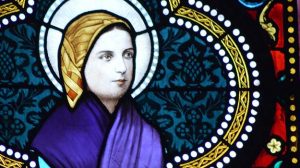
St Bernadette Relics Tour and Ten Ten Resources
We are delighted to be an official partner of the St Bernadette Relics Tour…
Read More
Should Schools Consult With Parents About RSHE Every Year?
Let’s have a look at what the DfE says and how you can fulfil this through your ‘Life to the Full’ subscription…
Read More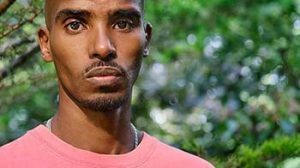
The Real Mo Farah…
…and how you can explore the real issues of human trafficking with students.
Read More
CPD Sessions for the Start of the New Academic Year…
Whether you need to familiarise returning staff with programme updates or you need to get new staff up to speed, we’ve got sessions for you starting on 1st September...
Read More

Hub Highlights
Looking back over this academic year, we’ve had so many great articles to share with you through the Teacher Hub that we’ve decided to compile some of the most popular to share with you again in case you missed them the first time round!
Read More
What’s New For 2022-23?
The first thing you will notice at the start of the new academic year is that we will have a new website. We have been working with some wonderful website designers and developers to address some of the key issues that our users have fed back. We hope that our new website will improve your user experience and the way you access the content.
Read More
Have You Seen Our New CPD Package?
Due to the amazing success of our CPD events this year, we are delighted to announce…
Read More

Ideas For Funding Your Ten Ten Resources Subscription
Is renewing your Ten Ten Resources subscription a difficult decision because of financial challenges?
Read More
Now Is The Time To Resubscribe
Find out how to renew your subscription here… Did you know that most Life to the Full subscriptions expire on 31st July 2022? It is the same case with the majority of Combined Collective Worship and Life to the Full subscriptions. To maintain access and to prepare for the new academic year in September, schools need to renew.
Read More

Natural Family Planning: Myths and Misconceptions
What might a Catholic say to the argument that Natural Family Planning (NFP) is still a couple ‘playing God’, albeit in a more natural way than using contraception?
Read More
The Law and DIY Abortions
The phrase ‘DIY abortion’ might conjure up tragic images from times before abortion was legalised; characterised by fear, judgement of ‘unfeeling’ or ‘promiscuous’ women and a lack of understanding or communication about changing attitudes towards sex. A particularly harrowing episode of ‘Call the Midwife’ involving a backstreet abortion springs to mind. Now, more than 50 years on, have things changed?
Read More
‘It is love that has explained everything to me’
‘It is love that has explained everything to me,’ is a quotation from St John Paul II, but what did teachers from around the country think about learning about his Theology of the Body?
Read More
Communicating with Parents About RSHE
What does the Government and the Church say about engaging with parents about RSHE and how does Ten Ten Resources enable schools to support parents?
Read More
Keeping Children Safe in Education – Secondary Schools
In January we shared an article for primary schools on ‘Keeping Children Safe in Education’. We’ve since had requests for an article for our secondary school colleagues, so here it is…
Read More
#PrayforUkraine
In response to the ongoing situation in Ukraine, we have created a prayer resource freely available for use in schools across the country.
Read More
Warning Children About Pornography
How young is too young to warn children about pornography?
Read More
Human Trafficking – Sixth Form Resource
It’s hard to believe that slavery exists in our modern world…
Read More
Religion Is Booming On Social Media
Two thousand years before social media was a ‘thing’ Jesus was trend setting and getting people to follow Him!
Read More
Keeping Children Safe in Education
Many of our colleagues in primary schools have been keen to know …
Read More
A Time To Be Born And A Time To Die
To coincide with ‘National Grief Awareness Week’ (2 – 8 December) we are releasing two new bereavement resources for use in primary schools.
Read More
(The Pope’s) Sex Education
No, this isn’t the Pope’s exclusive review of the popular Netflix series ‘Sex Education’.
Read More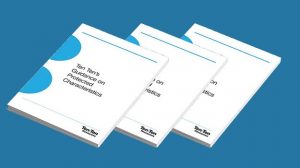
Ten Ten’s Guidance on Protected Characteristics
Ten Ten has published guidance which provides a summary of the expectation on schools to teach about the Protected Characteristics and guidance on how we support Catholic primary and secondary schools in this teaching through our programme, Life to the Full.
Read More
Standard vs Super
If you came here expecting an in-depth character analysis of Clark Kent and Superman across the entire franchise, I’m afraid you’ll be sorely disappointed. (Sorry-not-sorry about the deliberately misleading picture and title).
Read More
One Kind Word
Bullying is not funny, I think we’d all agree on that. Therefore, I was quite surprised to find that bullying related humour is a thing!
Read More
My Three Confessions…
My friends and family sometimes say that I share too much too soon, so maybe it’s too soon to share these confessions after only working with Ten Ten Resources for four months.
Read More

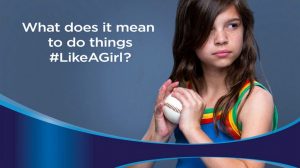
Addressing Gender Stereotypes
“Hmmm… it looks like a tampax advert!” This was the response of my male friend (on more than one occasion!) when we were discussing the colours on a poster for events we were organising at university.
Read More
Key Decisions
In creating the Life to the Full programme we have tried to pitch the resources at an age-appropriate level for children within each learning stage.
Read More
New CPD Courses
We are delighted to announce that we have created a number of exciting new CPD opportunities for both subscribers and non-subscribers in the areas of Collective Worship and RSHE.
Read More
New Year 11 Programme
Starting with ‘Self Worth’ on Monday 6th September, our new Year 11 resources are ready for gradual release over the coming weeks.
Read More
Relationship Watch
There’s something in us all that is intrigued by human relationships - how they work, how they don’t, and how they thrive or nose-dive under certain pressures of life.
Read More
Progression of Skills Documents & More
All around the world this week, people have been amazed and inspired by Zheng Tao, arguably one of the most skillful athletes to walk the face of the earth.
Read More